Cognitive Behavioral Therapy to Shift Thoughts, Feelings, and Behaviors
CBT is a structured, practical therapy that helps you understand how your thoughts, emotions, and behaviors interact—and gives you tools to change patterns that keep you stuck.
Last updated: March 12, 2026
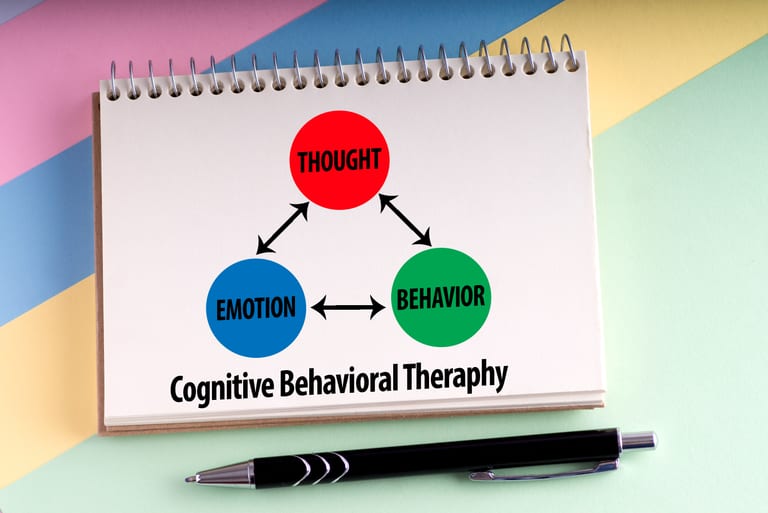
Transforming Thoughts, Changing Lives
Cognitive Behavioral Therapy (CBT) is an evidence-based therapy that helps people identify unhelpful thought patterns, understand how those thoughts affect emotions and behavior, and practice skills that support healthier responses.
CBT can help with anxiety, OCD, depression, stress, and related concerns in New York and Florida. This page explains how CBT works, what it can help with, and what to expect from online therapy.
At EK Mental Health Counseling, we use CBT in an individualized way rather than a one-size-fits-all format. Treatment may include cognitive restructuring, behavior change strategies, exposure-based work, and practical coping tools based on your goals and symptoms.
- What CBT helps with: anxiety, OCD, depression, stress, and unhelpful thinking patterns
- Who CBT is for: adults, teens, and college students seeking practical, structured therapy
- What to expect: skill-building, behavior change strategies, and collaborative goal-oriented sessions
What Is Cognitive Behavioral Therapy?
CBT is grounded in the idea that our thoughts, feelings, and behaviors are interconnected. When negative thoughts influence how we feel and act, it can create a cycle of distress. Through CBT, you’ll learn to identify and reframe these thought patterns, develop healthier behaviors, and build practical coping strategies for managing life’s challenges.
How CBT Works in Practice
CBT is a structured, goal-oriented approach that involves:
- Identifying Negative Thought Patterns: You’ll learn to recognize automatic thoughts and beliefs that contribute to negative emotions.
- Challenging Unhelpful Thoughts: We’ll work together to question and reframe distorted thinking, replacing it with more balanced and realistic perspectives.
- Developing Healthy Coping Skills: You’ll build practical strategies to manage stress, anxiety, and difficult situations with confidence.
- Behavioral Activation: Taking small, intentional steps toward engaging in positive and meaningful activities, even when motivation feels low.
- Exposure Techniques (When Needed): Gradually facing feared situations to reduce anxiety and build resilience.
CBT is active and collaborative—you’ll work with your therapist as a team, with clear goals and tools you can use long after therapy ends.
How CBT Differs From ACT and General Talk Therapy
Acceptance and Commitment Therapy (ACT) emphasizes mindfulness, acceptance, and values-based action, while CBT more directly focuses on identifying and changing unhelpful thoughts and behaviors. Compared with general supportive talk therapy, CBT is usually more structured and skill-based, with clear goals and practical exercises between sessions.
How CBT Differs From ERP
CBT is a broad therapy approach that focuses on patterns of thinking, emotion, and behavior. Exposure and Response Prevention (ERP) is a specialized behavioral treatment often used for OCD and anxiety when obsessions, compulsions, reassurance seeking, or avoidance are central to the problem.
Concerns CBT Can Help With
- Managing Anxiety: You might learn how to challenge catastrophic thinking, such as "I can’t handle this situation," and replace it with more constructive thoughts, like "I can take this one step at a time."
- Improving Relationships: You may practice communication strategies to express your needs effectively and reduce conflict.
- Reducing Stress: Through cognitive restructuring, you’ll learn to shift from an “all-or-nothing” mindset to a more flexible and compassionate perspective.
Why Choose CBT with EK Mental Health Counseling?
- Personalized Approach: We tailor CBT techniques to your unique needs and goals, ensuring that therapy is relevant and effective.
- Practical Tools: You’ll gain concrete skills and strategies that you can use in everyday life to manage challenges and improve well-being.
- Supportive Environment: Our therapeutic space is welcoming and non-judgmental, where you can explore your thoughts and feelings openly.
We’ll help you understand your options and decide on a plan that fits your needs.
Frequently asked questions
What is CBT therapy used for?
How does CBT work?
What is the difference between CBT and ERP?
Stay in Touch with EK Mental Health Counseling
Get updates about new resources, therapy services, and mental health tips. No spam—just thoughtful content.