What Grief Counseling Helps With
Grief counseling helps people process bereavement, major losses, anticipatory grief, miscarriage, and life changes that leave them feeling overwhelmed, disconnected, or emotionally raw. Therapy does not force you to “move on.” It helps you carry the loss in a way that feels more manageable and more human.
Grief can affect mood, sleep, concentration, relationships, routines, and your sense of identity. It may come in waves, feel physically heavy, or show up as numbness, anger, guilt, or longing.
Who Grief Therapy Can Help
- People grieving the death of a loved one, friend, partner, or family member
- People coping with miscarriage, fertility-related loss, or perinatal loss
- People dealing with relationship loss, divorce, or major life transitions
- People experiencing anticipatory grief while supporting someone who is ill
- People whose grief overlaps with trauma, depression, or anxiety
Common Experiences of Grief
Grief can look different for everyone, but some common experiences include:
- Emotional waves: Sadness, anger, guilt, longing, or disbelief can come in waves.
- Numbness or disconnection: You may feel emotionally flat or as if you are just going through the motions.
- Physical symptoms: Fatigue, sleep disruption, headaches, tightness in the chest, or appetite changes are common.
- Preoccupation with memories: You may replay moments, conversations, or unfinished wishes repeatedly.
- Self-blame: Many people wonder whether they should have done something differently, even when the loss was beyond their control.
How Therapy Helps with Grief
Processing the Loss
Therapy offers a safe space to name what happened, process emotions at your own pace, and make room for both pain and meaning.
Building Coping Tools
You can learn ways to navigate anniversaries, reminders, sleep disruption, isolation, and the emotional whiplash grief often brings.
Navigating Complicated Grief
When grief feels stuck, traumatic, or mixed with intense guilt, therapy can help you untangle what is happening and build steadier support.
Reconnecting with Life
Healing does not mean forgetting. It means finding a way to stay connected to what matters while also allowing life to hold connection, purpose, and moments of relief again.
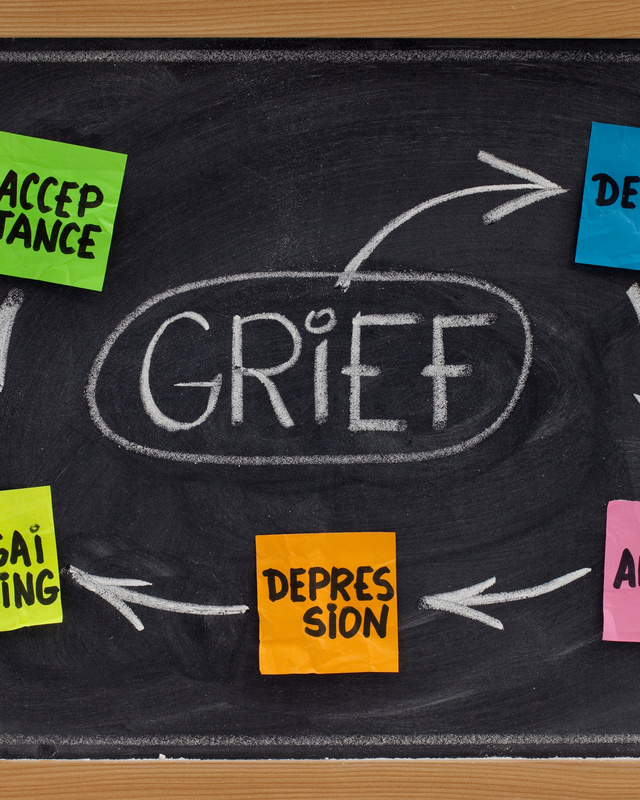
Grief vs Depression
Grief is a response to loss and often rises and falls around memories, dates, and reminders. Depression tends to affect mood, pleasure, motivation, self-worth, and daily functioning more broadly. Sometimes grief and depression overlap, and therapy can help clarify what you are experiencing.
What to Expect in the First Grief Therapy Session
The first session usually focuses on understanding the loss, how it has affected you emotionally and practically, what support systems you have, and what feels hardest right now. The pace should feel respectful and manageable, not rushed.
You Do Not Have to Carry Grief Alone
Grief can change your world, but you do not have to navigate that change without support. Therapy can help you make space for the pain, honor the relationship or loss, and slowly rebuild a life that can hold both sorrow and meaning.