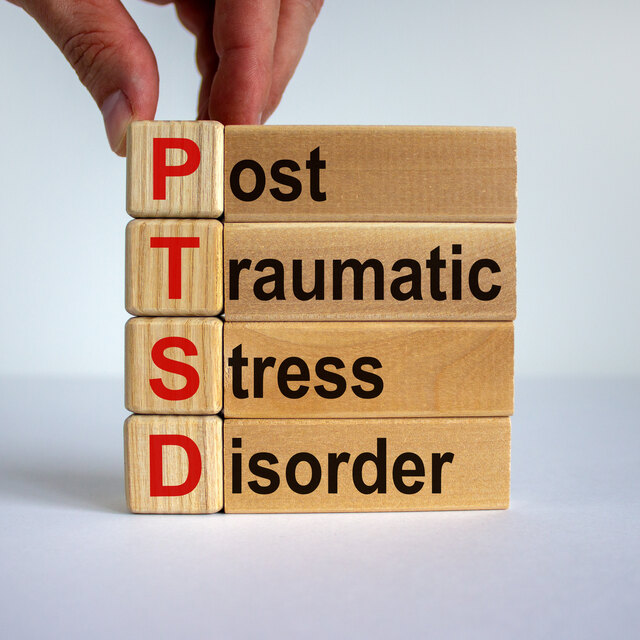
What PTSD Therapy Can Help With
PTSD therapy helps people reduce flashbacks, nightmares, hypervigilance, avoidance, emotional overwhelm, and the feeling that trauma is still happening now. Treatment can help your mind and body feel safer, more regulated, and less controlled by reminders of the past.
PTSD can happen after a single traumatic event or after repeated, chronic, or complex trauma. It may affect sleep, mood, concentration, relationships, trust, and your ability to feel grounded in everyday life.
If you feel on edge, disconnected, or stuck in survival mode, therapy can help you understand your trauma responses and begin to move toward healing with structure and support.
Who PTSD Therapy Can Help
- Teens and adults with flashbacks, nightmares, trauma reminders, or panic-like responses
- People who avoid places, people, or conversations because they trigger fear or distress
- Clients who feel emotionally numb, disconnected, or unable to relax even when they are safe
- People living with trauma-related shame, guilt, hypervigilance, or chronic survival mode
Common PTSD Symptoms
PTSD can look different from person to person, but these patterns are common:
- Intrusive memories: Flashbacks, nightmares, or distressing images that feel vivid and hard to control.
- Avoidance: Staying away from reminders of the trauma, even when that starts shrinking your life.
- Emotional numbing: Feeling detached, shut down, or unable to connect fully with yourself or others.
- Hypervigilance: Feeling constantly on edge, easily startled, tense, or unable to truly relax.
- Trauma-related shame or guilt: Blaming yourself, questioning your reactions, or feeling like you should be over it by now.
How PTSD Affects Daily Life
PTSD affects more than memory. It can affect your body, relationships, routines, work, and sense of safety. You might feel exhausted from always scanning for danger, or distant from the people around you because your nervous system does not fully believe the danger is over.
Healing does not mean forgetting what happened. It means reducing how much the trauma controls your present life.
What PTSD Therapy May Include
Trauma-Focused Cognitive Behavioral Therapy
CBT can help you challenge trauma-related beliefs, understand triggers, and build coping tools that reduce fear and hopelessness.
Prolonged Exposure Therapy
Prolonged Exposure helps people gradually face trauma memories and avoided situations so those experiences hold less power over time.
Acceptance and Commitment Therapy
ACT can support trauma recovery by helping you make space for difficult thoughts and feelings while reconnecting with what matters to you.
Mind-Body and Grounding Skills
Mindfulness-based therapy, breathing work, and grounding strategies can help calm the nervous system and bring you back into the present moment.
Trauma vs PTSD
Not everyone who experiences trauma develops PTSD. Trauma refers to the distressing event or its impact, while PTSD is a diagnosable pattern of symptoms such as flashbacks, avoidance, hypervigilance, and ongoing nervous system activation that continues well after the event has passed.
What to Expect in the First PTSD Therapy Session
The first PTSD therapy session often focuses on your current symptoms, triggers, coping strategies, and sense of safety. Good trauma therapy does not require you to tell the whole story right away. Early work often focuses on stabilization, pacing, and helping you feel grounded enough for treatment to be effective.
You Are Not Broken. You Are Healing.
PTSD can make you feel stuck in the past, but healing is possible. With the right support, your body can learn that the trauma is over, and your life can begin to feel larger than survival mode.
You deserve support that is compassionate, practical, and paced in a way that respects your nervous system.