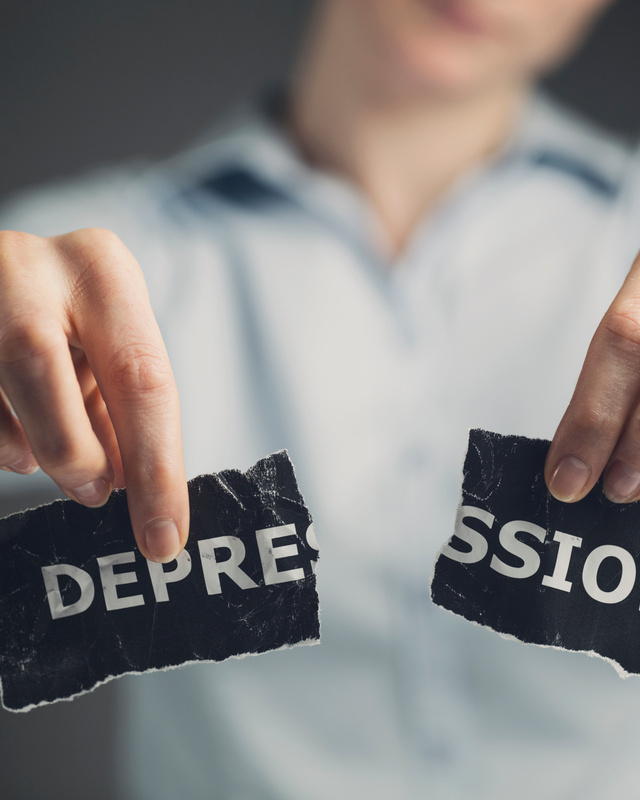
What Depression Therapy Helps With
Depression therapy helps people understand and treat low mood, hopelessness, numbness, self-criticism, and loss of motivation. Treatment often focuses on changing depressive thought patterns, improving routines, reconnecting with values, and reducing avoidance or isolation.
Depression can affect energy, sleep, concentration, relationships, work, and self-worth. It does not always look like obvious sadness. Sometimes it looks like exhaustion, irritability, disconnection, or feeling like you are moving through life on autopilot.
Who Depression Therapy Can Help
- People who feel persistently sad, empty, numb, or emotionally shut down
- People who have lost interest in relationships, routines, or activities they used to enjoy
- People struggling with guilt, self-criticism, hopelessness, or feeling like a burden
- People dealing with burnout, isolation, grief, or major life stress that now feels heavier
- People whose depression symptoms overlap with anxiety, stress, or self-esteem issues
Common Signs of Depression
Depression can look different for different people, but common signs include:
- Low mood or emotional numbness: Feeling sad, flat, disconnected, or unable to access joy.
- Fatigue and low energy: Everyday tasks can feel unusually hard or draining.
- Negative thinking: Depression often fuels harsh beliefs such as “I’m failing” or “nothing will get better.”
- Loss of interest: Hobbies, goals, relationships, and routines may feel distant or meaningless.
- Sleep and appetite changes: You may sleep too much, sleep too little, or notice appetite shifts.
How Therapy for Depression Works
Effective depression therapy is not about telling you to “just think positive.” It helps you understand the patterns keeping depression active and gives you practical tools to respond differently.
Cognitive Behavioral Therapy (CBT)
CBT helps identify and challenge depressive thought patterns, behavioral withdrawal, and hopeless predictions so you can build more workable habits and beliefs.
Acceptance and Commitment Therapy (ACT)
ACT helps you make room for painful emotions without letting them dictate your choices. The focus is on values, flexibility, and meaningful action.
Mindfulness and Self-Compassion
Mindfulness-based therapy and self-compassion work can help reduce shame, rumination, and the harsh inner voice that often comes with depression.
Depression vs Burnout
Burnout is often tied to chronic overload, stress, and emotional depletion. Depression can include burnout-like exhaustion, but it usually also affects self-worth, pleasure, motivation, and hope more broadly. Therapy can help determine whether you are dealing with depression, burnout, or both.
What to Expect in the First Depression Therapy Session
The first session usually focuses on understanding your symptoms, stressors, routines, relationships, and goals. Your therapist may ask about mood, sleep, motivation, concentration, appetite, medical history, and what has changed over time. The goal is to build a treatment plan that feels realistic, supportive, and tailored to you.
You Deserve Support and Healing
Depression can make the future feel smaller than it really is. With treatment, many people begin to feel more connected, more hopeful, and more able to function in daily life. You do not have to wait until things are “bad enough” to ask for help.