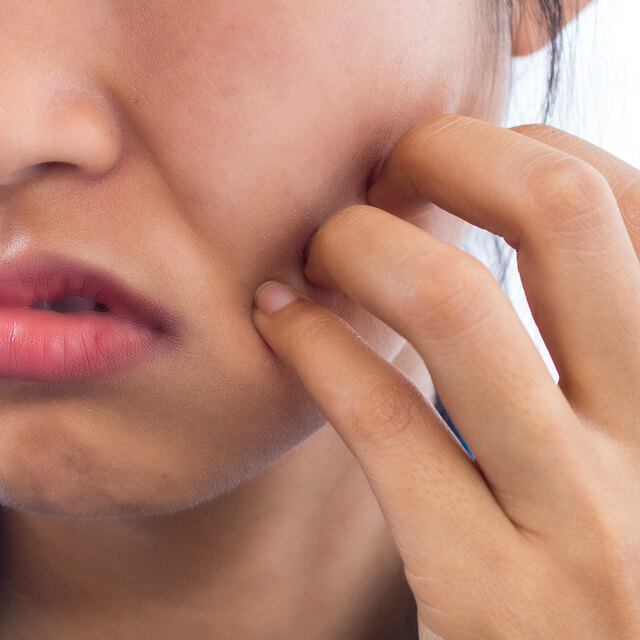
What Dermatillomania Therapy Can Help With
Dermatillomania therapy helps people reduce compulsive skin picking, manage urges, understand triggers, and build healthier responses to stress, boredom, tension, and shame. Treatment can also help with the emotional fallout of skin picking, including embarrassment, self-criticism, and avoidance.
Dermatillomania, also called excoriation disorder or skin picking disorder, is not simply a bad habit. It is a real body-focused repetitive behavior that can feel automatic, difficult to stop, and deeply distressing.
Who Dermatillomania Therapy Can Help
- People who pick at their skin automatically, during stress, or while trying to soothe discomfort
- Clients who feel ashamed of marks, wounds, or scars and avoid being seen
- People whose skin picking overlaps with anxiety, OCD, perfectionism, or other BFRBs such as trichotillomania
- Teens and adults who have tried to stop many times and feel discouraged or stuck
Common Experiences of Dermatillomania
- Intense urges to pick: The urge can feel physical, emotional, or almost impossible to ignore.
- Automatic picking: You may pick without realizing it until damage has already happened.
- Temporary relief: Picking may briefly reduce tension or discomfort, even though distress often follows.
- Shame and embarrassment: Visible marks or scars can lead to hiding, self-consciousness, or social avoidance.
- Avoidance: You may avoid short sleeves, bright lighting, mirrors, or close contact because of fear of being noticed.
How Dermatillomania Affects Daily Life
Skin picking can take up time, mental energy, and emotional bandwidth. It can affect confidence, relationships, routines, and the way you feel in your own body. Many people with dermatillomania feel trapped between the urge to pick and the shame that comes afterward.
You did not choose this pattern, and it is not a reflection of weakness. With the right treatment, it can change.
What Therapy for Dermatillomania May Include
Habit Reversal Training
Habit Reversal Training helps increase awareness of picking, identify triggers, and replace the behavior with competing responses that reduce harm.
Cognitive Behavioral Therapy
CBT can help you understand the thoughts, emotions, and patterns that keep picking going, then build more workable responses.
Acceptance and Commitment Therapy
ACT can help you respond to urges, tension, and self-critical thoughts with more flexibility instead of staying trapped in the picking cycle.
Self-Compassion and Shame Reduction
Healing is easier when treatment addresses shame directly. Therapy can help you relate to yourself with less judgment while still building real behavior change.
Dermatillomania vs Just a Habit
Everyone touches their skin sometimes. Dermatillomania is different because the picking becomes repetitive, hard to control, and distressing enough to affect daily life, skin damage, confidence, and emotional wellbeing.
What to Expect in the First Dermatillomania Therapy Session
The first session often focuses on understanding when you pick, what tends to trigger it, what the behavior does for you in the moment, and how it affects your life afterward. From there, treatment can start building awareness, competing responses, and practical changes that fit your actual patterns.
It Is Time to Prioritize Your Healing
Dermatillomania does not define who you are. Progress may take time, but change is possible with support, structure, and self-compassion. You deserve help that goes beyond shame and focuses on real recovery.